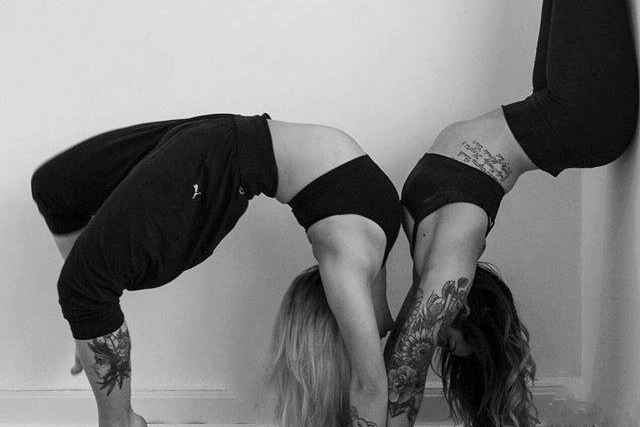
It’s kind of ironic that the modern image of yoga is firmly associated with women, considering its origins deeply rooted in patriarchal structure.
We may take it for granted, but having access to yoga as women, being able to teach and practice, is a relatively new developments in the grand scale of yoga history.
Historical Exclusion
Yoga, as it was traditionally practiced in India, was not particularly inclusive. Ancient yogic texts, such as the Yoga Sutras and the Upanishads, were primarily written by and for men, particularly male ascetics and scholars.
During the medieval period, the physical and spiritual disciplines of Hatha Yoga were largely passed down through male guru-disciple lineages, further limiting women’s participation.
As asana practice developed, it was designed for male practitioners. More specifically, it was biased to boys and young men in terms of alignment and composition – that’s why some poses seem practically impossible to women, even if there is no lack of flexibility.
Women Who Shaped Yoga

Despite these limitations, women found ways to engage with yoga. Female mystics and saints practiced forms of yoga in secret, while some tantric traditions allowed greater inclusivity.
It wasn’t until the 20th century that women gained more widespread access to formal yoga instruction and the ability to become teachers themselves.
Indra Devi: The First Lady of Yoga
Indra Devi was instrumental in bringing yoga to the West and making it accessible to women worldwide. In the 1930s, she became the first female student of Krishnamacharya who had initially refused to teach women.
Through perseverance, she gained his instruction and later introduced yoga to Hollywood, teaching stars like Greta Garbo and Marilyn Monroe. Devi’s approach was gentle and non-dogmatic, making yoga appealing to a broad audience and helping to popularize it outside of India.
Geeta Iyengar: Adapting Yoga to Female Bodies
Geeta Iyengar was the daughter of B.K.S. Iyengar and a powerful advocate for women in yoga. As a master teacher, she adapted her father’s method to address the unique needs of women’s bodies through different life stages, including menstruation, pregnancy, and menopause.
Her teachings empowered countless women to take up yoga with confidence and to recognize their bodies as sources of strength rather than limitations.
Angela Farmer: The Embodiment of Intuitive Yoga
Angela Farmer is one of the most influential figures in modern yoga, known for breaking away from rigid, male-dominated teaching styles to embrace a more fluid and intuitive approach.
A devoted student of B.K.S. Iyengar, she eventually found his method restrictive, particularly in its alignment-focused structure. Seeking a practice that honored the body’s natural movements and feminine energy, Farmer developed her own style, emphasizing breath, self-expression, and inner exploration. Her teachings helped usher in a more organic, exploratory way of practicing yoga, one that resonates with many practitioners today.
Honoring Women in Yoga Today
As practitioners, we can honor their legacy by celebrating the women in our own yoga communities: our teachers, peers, and students who inspire us. Yoga is no longer an exclusive space, and we all have a role in fostering inclusivity and acknowledging the beauty of feminine energy within the practice.